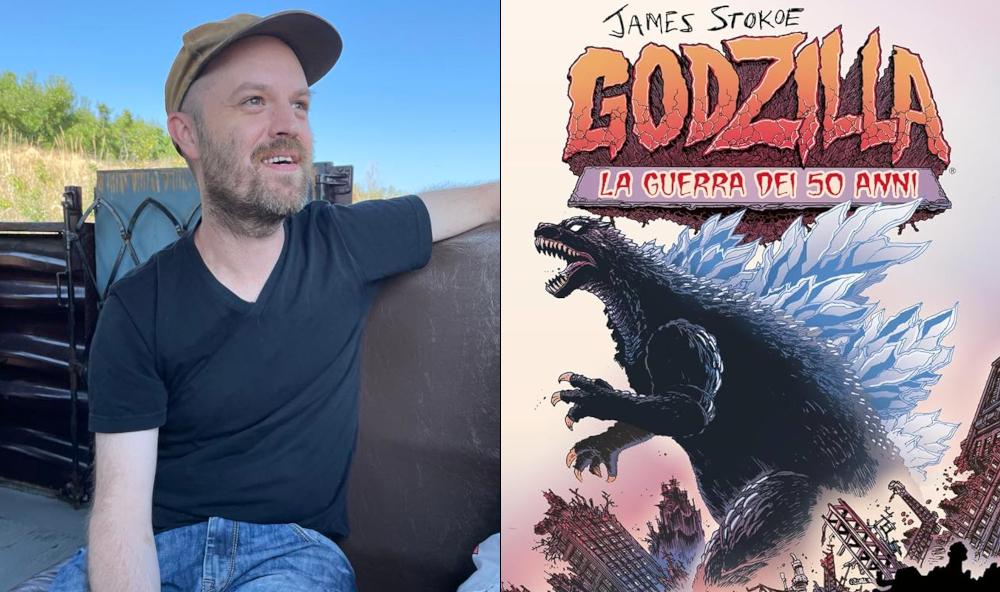
Defining Deniz Camp as the most prominent and in-form American comic book writer of the moment is hardly debatable. After the tremendous critical success of 20th Century Men, an alternate-history story set in Cold War Afghanistan, published by Image Comics (and arriving in June from Panini Comics), Camp took on a key role in both the new Marvel Comics Ultimate Universe and DC Comics’s Absolute Universe, the two most successful editorial initiatives in American comics of the past decade.
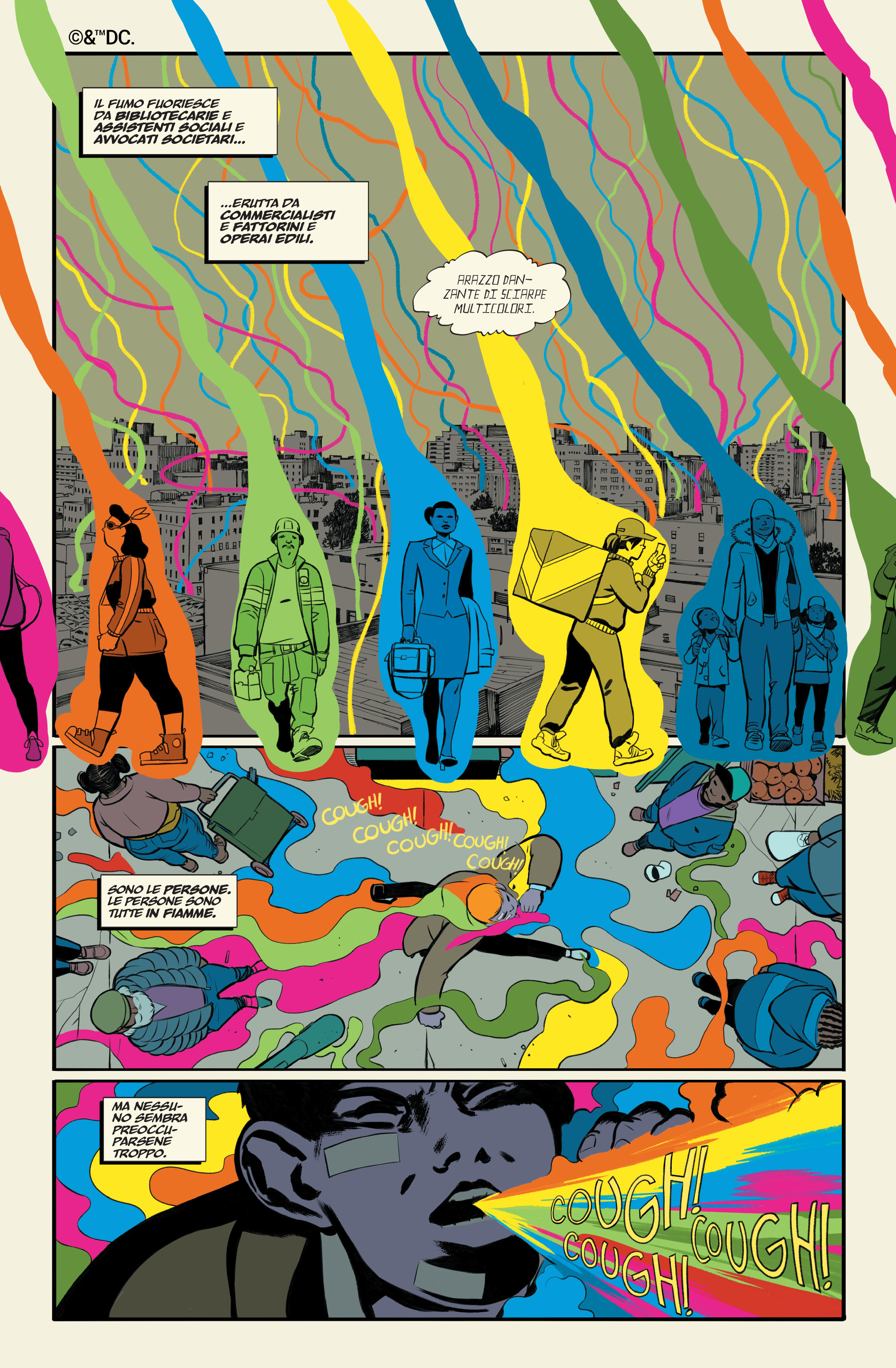
In the former, he reinvented the Ultimates, transforming them into a group of rebel superheroes that evolves into a popular movement fighting against the hidden rule of the Maker, before being entrusted with writing Ultimate Endgame, the conclusion of this parallel universe launched in 2023. In the Absolute Universe, meanwhile, he completely reimagined Martian Manhunter alongside a phenomenal Javier Rodríguez: the alien parasite whose empathic telepathy guides the CIA agent John Jones’ paranormal investigations becomes a vehicle for exploring the fears, neuroses, and social crises of contemporary America.
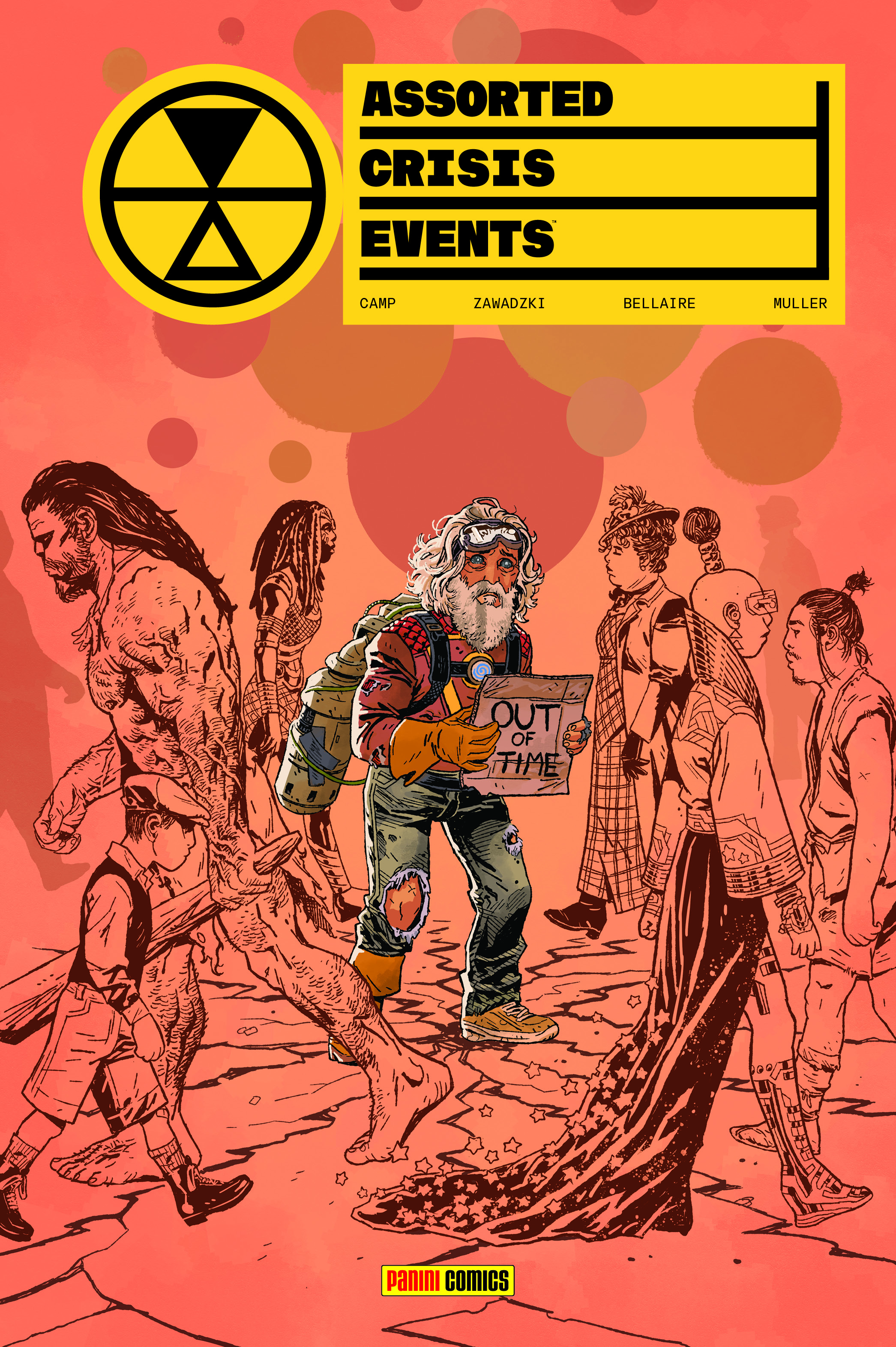
Assorted Crisis Events, his latest creator-owned project created with Eric Zawadzki, Jordie Bellaire, Hassan Otsmane-Elhaou, and Tom Muller for Image Comics(and previewed by Panini Comics at Napoli COMICON 2026), is a sci-fi anthology that uses the concepts of the multiverse and temporal crises to reflect on the personal and social tragedies shaping our present.
We spoke with him about storytelling, genre comics, how the medium filters reality through its own language, and how difficult it has become to talk about today’s world — a world in which reality and its crises have surpassed the limits of imagination.
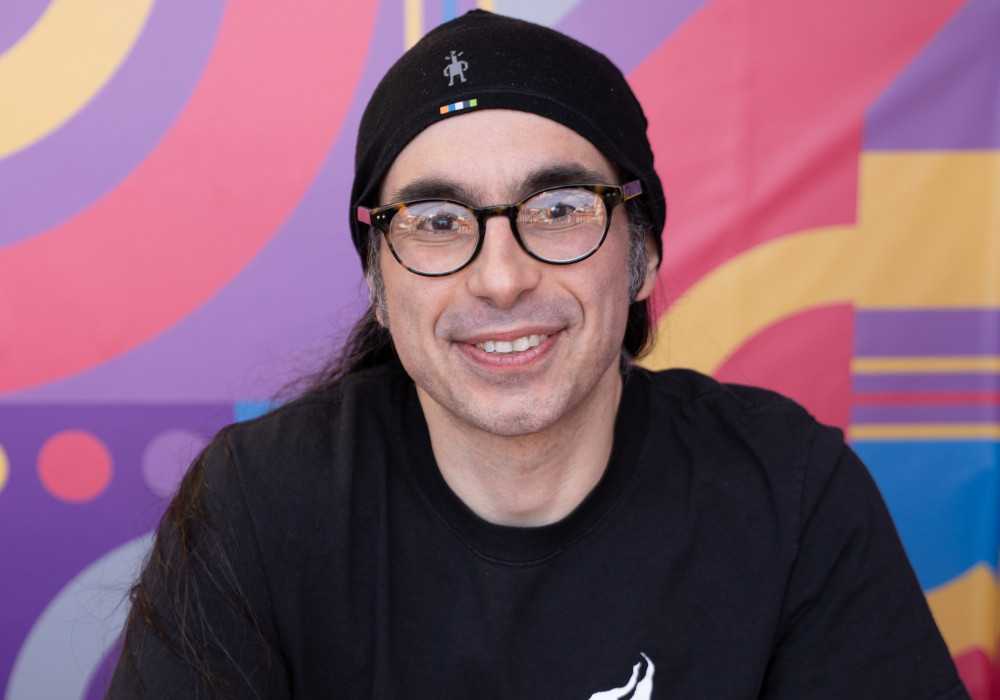
Thank you very much for your time Deniz. I’d like to start with your influences: your work has always been characterized by strong science fiction elements, but also by a focus on contemporary and political themes through genre storytelling. Where does this interest in using genre comics to explore these kinds of issues come from?
My influences within comics are not particularly unusual—Grant Morrison and Alan Moore are the two major reference points for me, my “North Stars.” They’ve always used genre in interesting ways, building on it to tell human and meaningful stories. That’s exactly what I aim to do as well.
Outside of comics, my influences come more from prose writers—George Saunders, Denis Johnson, Grace Paley, and many others I’ve learned from over the years.
I feel that genre is everywhere right now, but sometimes it becomes too self-referential. For example, horror can become rigid, as if it must include certain elements at specific points. I don’t like that approach. I’m using those genres as a way to talk about I think life, life as I see it, life as I experience it, life as my friends experience it and so I think it’s very powerful, it allows you to talk about things that are difficult and heavy in a way that maybe lightens it just a bit so that people can take it but still hopefully something true.
This connects directly to the comic you’re presenting here, the Italian edition of Assorted Crisis Events for Panini Comics. In some ways, it also relates to 20th Century Men, your breakthrough work from Image Comics which is also going to be published soon by Panini. In this case, you use a concept that is very widespread today—the multiverse and multiple timelines—but you structure the story as an anthology. That’s interesting, because anthologies can be challenging for readers, yet here you combine political themes with very intimate stories. How did you decided for this episodic structure?
Assorted Crisis Events was born out of the pandemic, a time when life felt fractured for everyone. Everything seemed to be breaking apart. I wanted the comic to reflect that, both in its form and its content.
The “time crisis” in the story is a metaphor for all the crises we’re facing—political, social, economic, environmental. It feels like everything is happening at once. But I don’t think I’m capable of addressing all that from a single perspective, so I approached it through multiple viewpoints, like in 20th Century Men.
This also reflects my personal background. I grew up in the United States, but my mother is from the Philippines and my father is Turkish. I was born in the Philippines and raised in the U.S., but we traveled a lot when I was young. That exposed me to different ways of seeing the world. Everyone believes their perspective is the right one, but they differ greatly. I wanted to capture that multiplicity.
I think readers respond to this approach today because the world itself feels fragmented, and so does our attention span. So telling a story in 30 pages with a beginning, middle and end, complete, I think that appeals to people, it reflects the world as it is right now. And having an anthology of stories mirrors how we experience reality now. That’s probably why anthologies are having a moment, because they reflect a world of many voices rather than a single perspective.
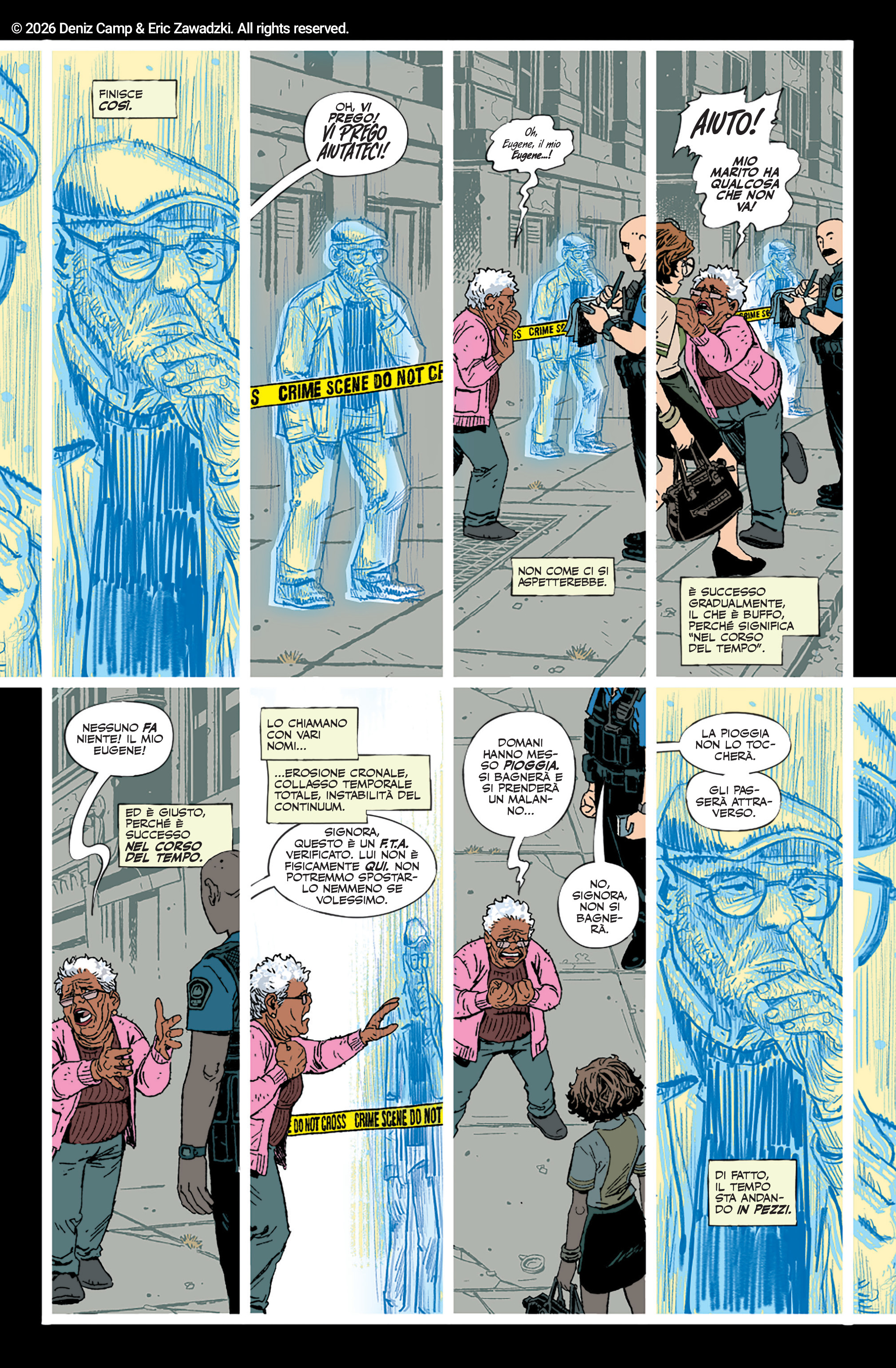
What’s interesting is that, although it’s an anthology done by the same team (you, Eric Zawadzki, Jordie Bellaire, Hassan Otsmane-Elhaou and Tom Muller), each chapter is very different (not just narratively, but also visually and structurally) yet the overall work still feels cohesive. How did you collaborate with the rest of the team to achieve that balance?
Exactly, the themes are consistent, but the storytelling changes. From the beginning, I told Eric that I wanted each issue to reinvent the storytelling. That meant using different narrative perspectives, third person in one issue, then first person, even no narrator at all.
And also the way we get across the time crisis changes: time is fundamental in comics, I don’t have to tell you that, Scott McCloud and many others did. But yes, time is space in comics, so I wanted to explore how we could manipulate the reader’s perception of reality, and play with the storytelling to get through this. For example, if a character is speeding through life, the storytelling must reflect that. If there are parallel Earths, the structure must embody that. In one issue set in a slaughterhouse, I wanted the narrative itself to feel “cut up,” like the process that happens in that factory and so on.
How did the collaboration work in practice? Did you define everything, or was it more of a shared process?
It starts with me proposing an idea, how something should feel, or how it should work. Then Eric works out how to translate that into actual pages. It’s easy to suggest an idea; it’s much harder to execute it (laugh): like for instance issues three where the two earths are divided and each page should mirror the other.
Eric constantly makes decisions that bring those ideas to life and often improves on them. The same is true for Jordie and Hassan with lettering. It’s a completely collaborative process, every one of them adds something more. Without them it would be a completely different book and I’m sure much less successful.
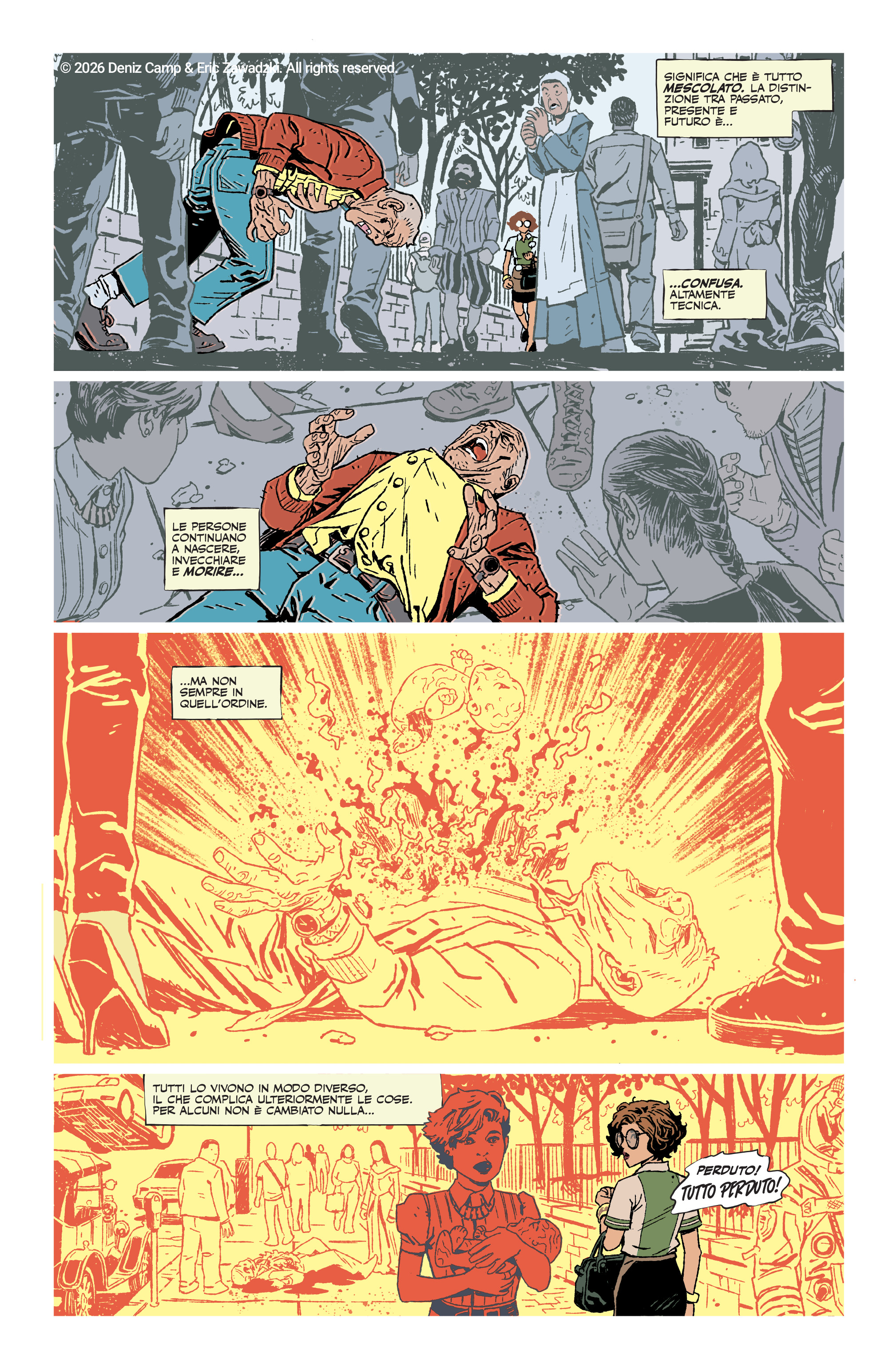
Was there a particular chapter that was especially difficult for you to write? Because for me, for example, the one where the main character skipped through time was particularly hard to read, it resonated with me a lot.
I think the slaughterhouse issue was the most difficult. The research alone was very tough, both for me and for Eric. But structurally, it was also the most complex: the story jumps through time, but it has to remain clear. Each page connects to the previous one through what’s called an “aspect-to-aspect” transition, similar to techniques used in The Killing Joke, whre each scene bleeds into the other. But here, that had to happen twice per page, both what was leading in and what was leading out.
At the same time, I had to tell a full life story which is cut up into pieces, all colliding at the end. I think of it like a musical fugue. I went through around fifteen drafts for that issue, something like that. It was the hardest, but they all had their own challenges.
Given the themes of Assorted Crisis Events, it naturally connects to the current state of the world. As a writer, how do you deal with the fact that reality sometimes becomes even more absurd than what you’re writing, especially in Trump US?
The thing is, I’m trying to make people feel something. I’m trying to capture a feeling that I have, and a feeling that my friends have, and put that into the comic. And yes, sometimes what happens in the world makes satire very difficult, for sure.
So what I do is zero in on the way the characters feel about it. I’m not trying to out-ridiculous Trump or US, it’s almost impossible to make something more ridiculous than reality right now. What I’m trying to do is make the characters we’re with, even if it’s just for 30 pages, feel real, make their emotions feel real.
If they’re reacting to the absurdity, or if it’s weighing on them, whatever it is, if I can make that feel true, then I think I’ve succeeded. I don’t need to create a character that’s as ridiculous as Trump. You wouldn’t believe it anyway.
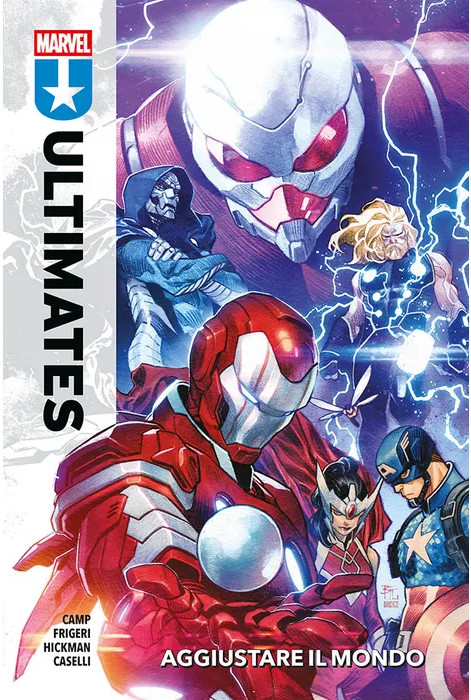
Shifting to your work with Marvel and DC: you’re in a unique position, working on both the Ultimate and Absolute universes, which are the two big things of the last years in US comic books landscape. What are the main points of contact between them, and how do you adapt your approach to each of this universe, which are at the same time similar and different?
Yes, the Ultimate universe and the Absolute one are obviously similar, but there are key differences. The Absolute universe feels more like the original Ultimate line—an entry point where you don’t need prior knowledge about the characters.
For the new Ultimate universe, I think Jonathan Hickman took into account that everybody was familiar with the characters from the movies and so it’s much more about playing against expectations.
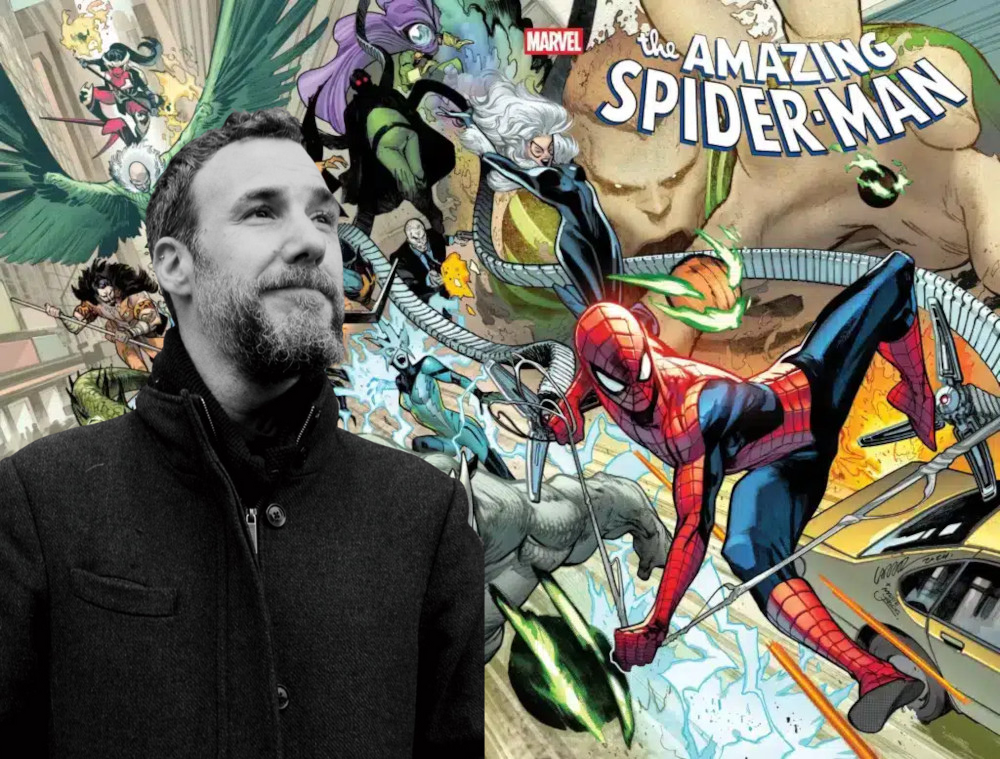
Regarding this universe, Ultimate Spider-man is the most important and successful book in the line, but my book, The Ultimates, is the is the main book in the sense that it’s the universe’s book, the one that drives the main story. Therefore, I have certain constraints. It’s a superhero book, aimed at a broad audience, even though it deals with political themes but always within the genre perimeter.
With Martian Manhunter, on the other hand, I had much more freedom, it’s something off to the side as it is doing its own thing. Of course it’s connected to the rest and we play with that; it gets at the very heart of the universe with Darkseid, while other books don’t. But at its core it’s almost like a Vertigo-style project (that’s how Scott Snyder described it): more experimental, more open-ended. Working with Javier Rodríguez pushed that even further. It’s both easier and harder: easier because of the freedom, harder because I want every issue to be dense with ideas and doing crazy things.
Speaking of The Ultimates, it reimagines the Avengers as a symbol of resistance: against power, against abuse, against dictatorship. There’s an ongoing debate about politics in superhero comics: some argue it should be avoided, while others say it’s always been central. What do superheroes represent to you, and what did you explore through this series?
There’s no such thing as art without politics. Even choosing to avoid politics is itself a political statement.
Superheroes have always been tied to political ideas. My central question when I was writing the Ultimates was: what does a superhero look like in the 2020s?
In the early 2000s Mark Millar and Bryan Hitch redefined them as agents of the military-industrial complex fighting terrorism, because that was a post-9/11 world. That made sense at the time. But that’s not how I see heroes: for me, heroes come from collective action. My wife is an activist, and I’ve been involved in organizing as well. So I see heroism as something that emerges from movements of people working together, resisting systems of power, building coalitions.
With The Ultimates, I wanted to move away from the idea of one single individual hero, the big man changing history—the “great man” theory of history—and instead emphasize collaboration. The idea of my Ultimates which sometimes frustrates people is that there is a lot of different characters that come in, but in the end the team itself is the hero. Even when characters are apart, they are working toward a shared goal. I wanted to shift the idea of the American superhero away from this kind of individual loner great man changes everything, and make it more about all of us together are doing different pieces. In my experience, when I look around the people that are now considered heroes they don’t come out of nowhere, they emerge from movements: in the past Martin Luther King or Rosa Parks were not individuals acting on their own, these were people born out of a movement. The Ultimates reflects how real-world change happens: through collective effort, not individual genius.
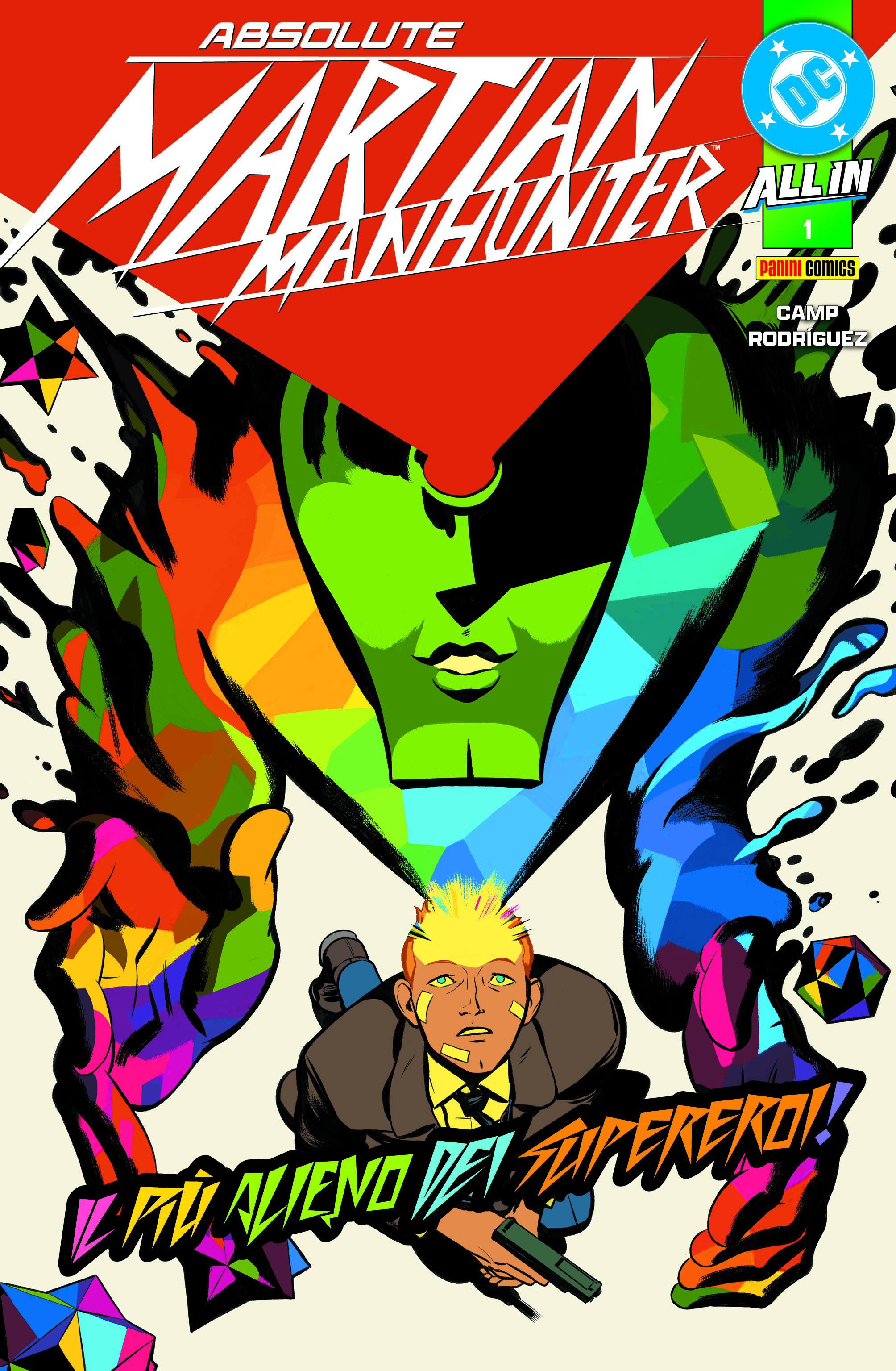
On the other hand, Absolute Martian Manhunteris a very radical, bold reinvention, both visually and narratively. How did you and Javier Rodríguez develop that project, and how did you use its blend of sci-fi, superhero, and even psychedelic elements to address contemporary issues? Also in that case there is a lot of actual problems, from immigration to poverty and exploitation, psychosis and also a lot of conspiracy theories.
That project developed quite naturally. For a long time I wanted to create something more poetic, a story about humanity, empathy, and the beauty of human experience.
Once Javier joined, and I basically begged him (laugh), everything evolved. He brought incredible ideas and pushed the project further than I could have imagined, he has great ideas about what is working and what not in a comic. We share a similar worldview and political perspective, so we were very in-sync throughout the process.
I don’t really see my work as confined to genre. I don’t want to sound pretentious, but this is to say that life itself isn’t a single genre: it can be tragic, funny, horrifying, or all of these at once. I wanted Martian Manhunter to reflect that complexity.
Finally, I know you can’t say much yet, but since Absolute Martian Manhunteris coming to an end: can you give any hints about what’s next?
Not yet, I can’t share any details at the moment. Scott Snyder might reveal something before I do (he’s not very good at keeping secrets (laugh)), but you’ll have to ask him!
What I can say is that we’re very excited about what’s coming next. I’m already working on it, and Javier will be joining me again on the project.
Thanks Deniz and hope to read this project soon!
Interview done on the 1st of May at Napoli COMICON
Thanks Beatrice Infante and the whole team of Goigest and Panini for the support
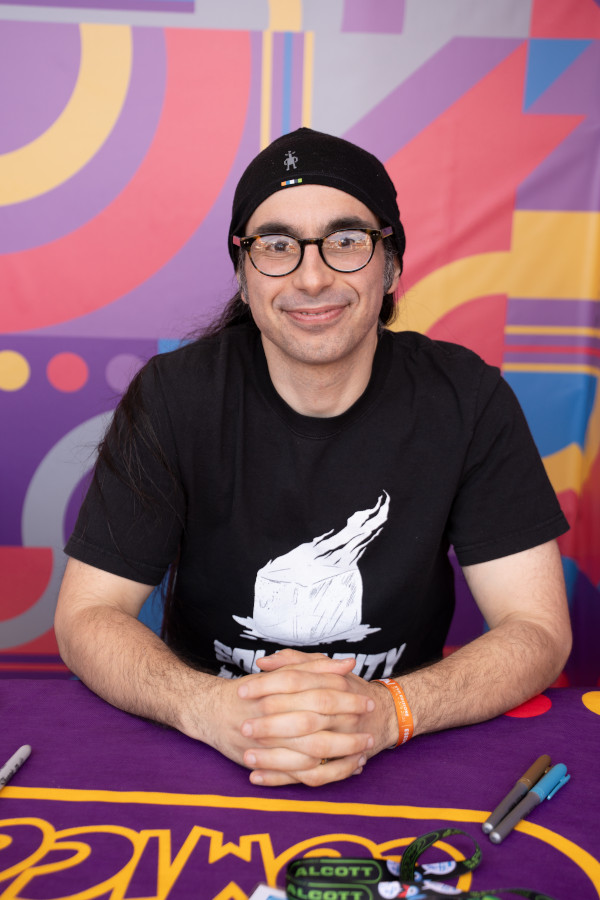
Deniz Camp
The son of Turkish and Filipino immigrants, born in the Philippines but raised in the American midwest, he did his breakthrough in comics with works as Maxwell’s Demons (Vault Comics, ), 20th Century Men (Image Comics), Agent of WORLDE (Scout Comics), and Bloodshot Unleashed (Valiant Entertainment). In 2024 he became the writer of the new Ultimates, while in 2025 together with Javier Rodriguez he (re)created Absolute Martian Manhunter.