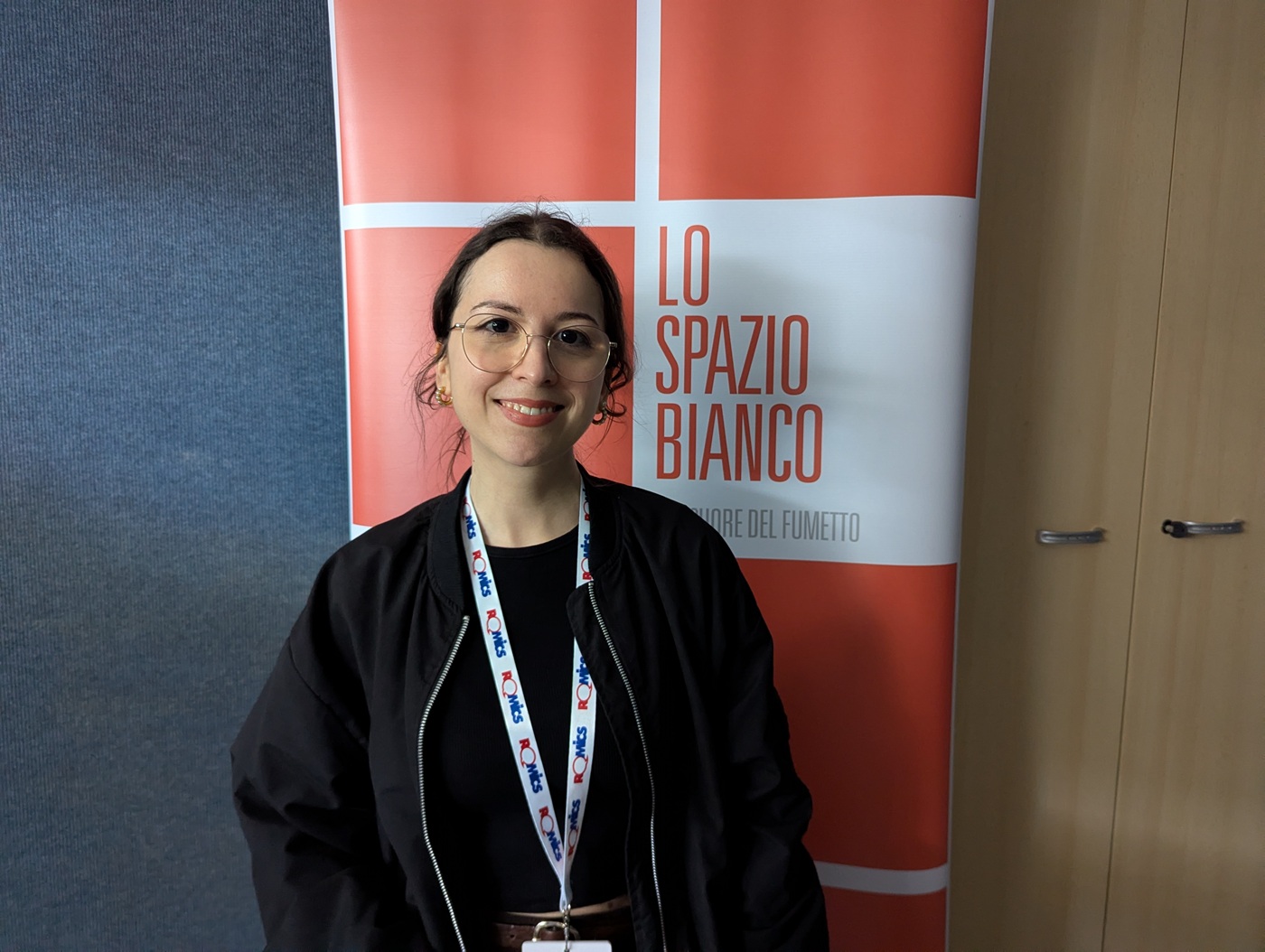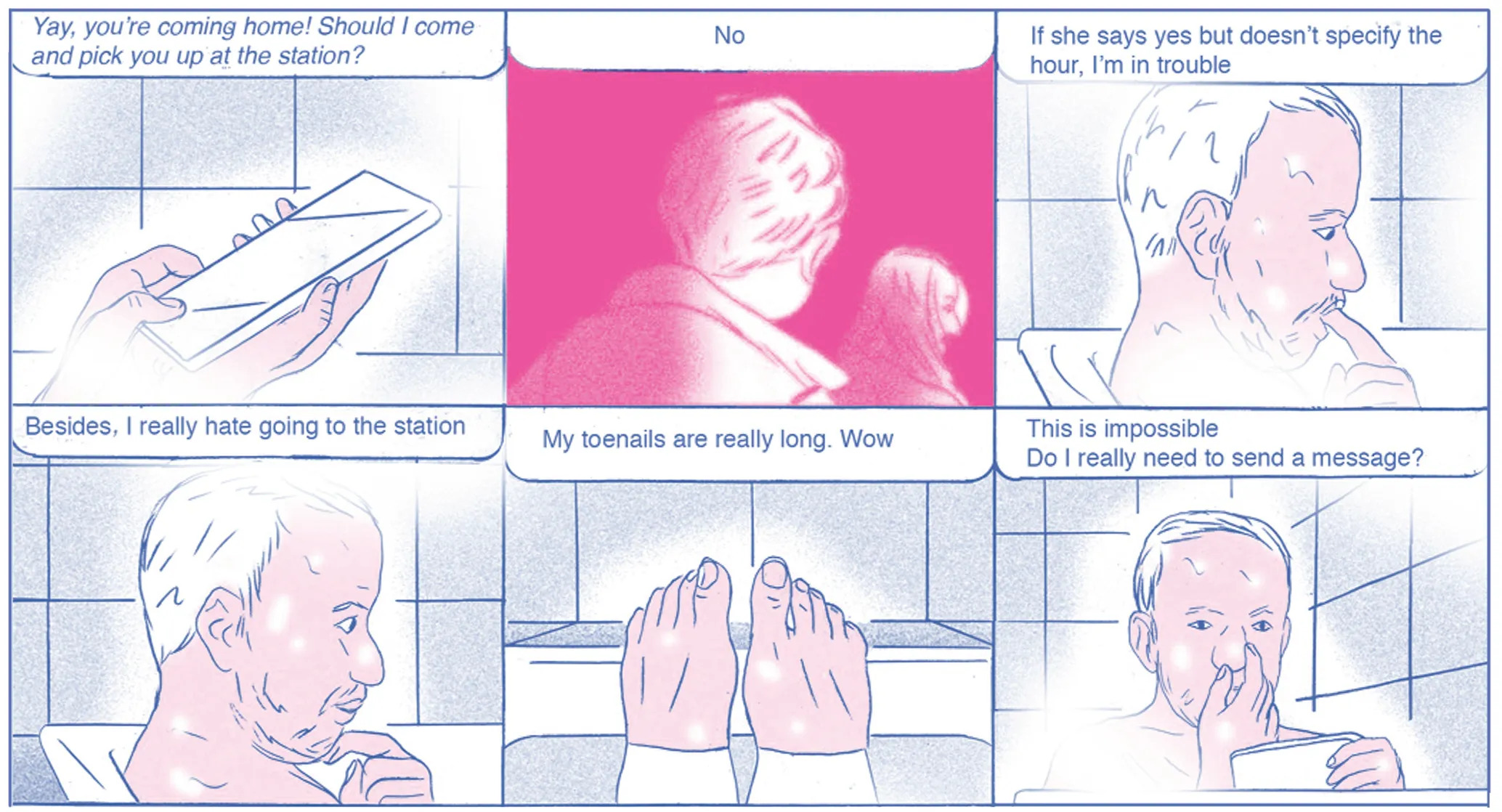
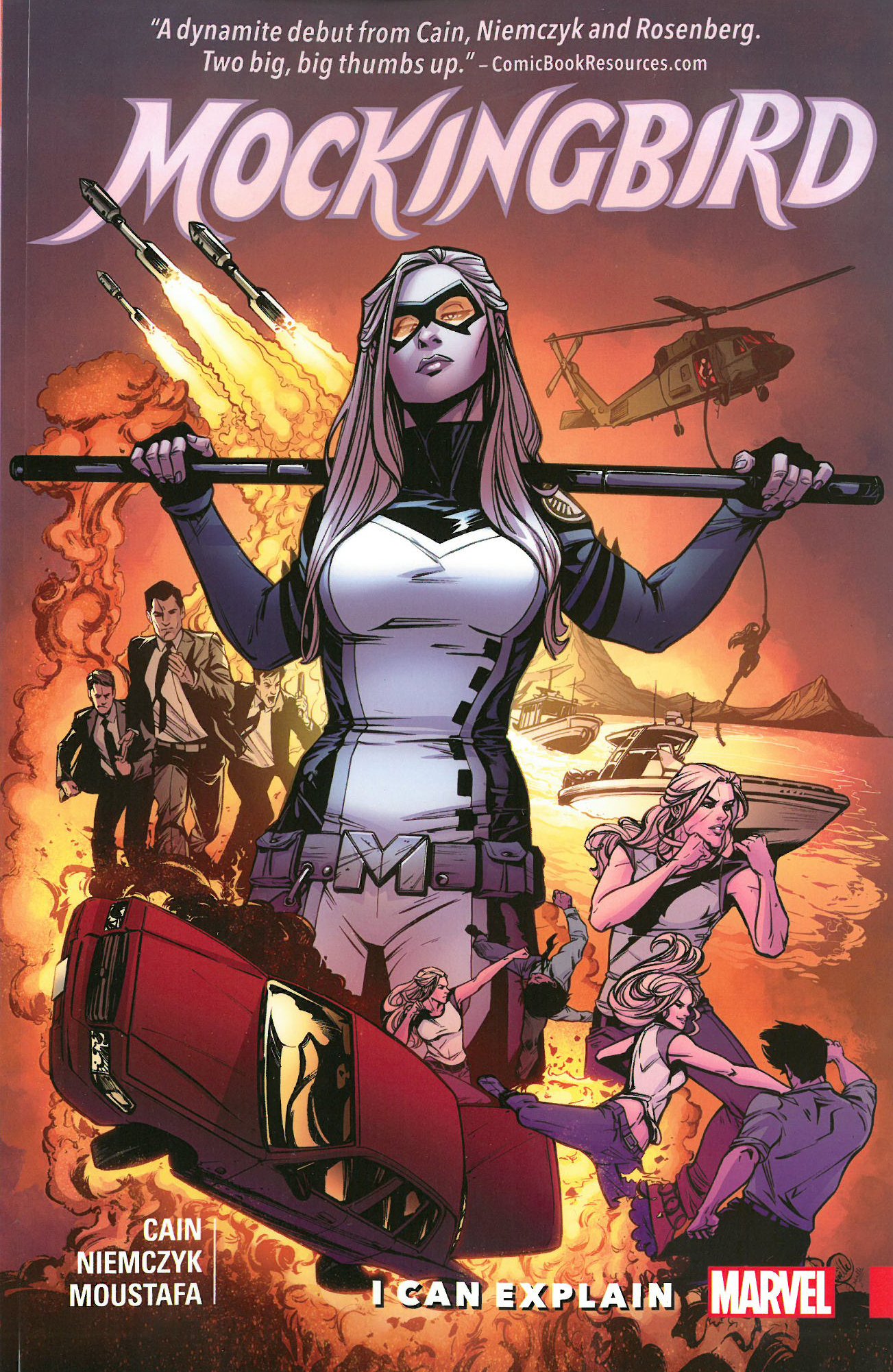
During this year’s COMICON Bergamo, a delegation of Polish authors and artists representing the country’s pop and artistic scene was invited to the festival. Among them was Bartosz Sztybor, known for his work on The Witcher video game, based on the hugely popular fantasy novels by Andrzej Sapkowski. Also part of the delegation was artist Katarzyna Niemczyk, perhaps not an immediately recognisable name, but throughout the 2010s she worked under the name Kasia Nie with novelist Chelsea Cain on some of the most interesting, talked-about and even controversial comics produced in the United States: Marvel’s Mockingbird (nominated for an Eisner Award in 2017) and Man-Eaters (Image Comics, 2018). Both series featured strongly feminist themes and were praised by critics, while also drawing criticism from a section of the more traditionalist fandom (in the case of Man-Eaters, the controversy was also more nuanced and problematic, as discussed by AIPT). The two stories approach the condition of women in contemporary society in very different, but equally caustic, ways, with an intelligent and satirical tone reflected in Kasia Nie’s dynamic and expressive artwork.
On the occasion of the event, we had the opportunity to speak with the artist about her career, her work in the United States, and the state of Polish comics, which in recent years has been emerging as one of the most interesting scenes on the international market.
Hi Kasia, and thank you for your time. To start, I’d like to ask when you first began thinking about pursuing this career and what your first steps were.
The very first time I thought that drawing comics could become a real job was when I saw an article in Wizard magazine about the work being done at Top Cow Studios. At the time, I thought it was a dream job, but probably not something you could do outside the United States. My first real steps came much later, when I put together a portfolio to send to smaller publishers.
What were your sources of inspiration? Were you also interested in Polish comics, or were your influences always more international?
When I was younger, I knew practically nothing about Polish comics. I did read a lot of manga and Asterix, though, and I became interested in American comics after seeing an issue of the Tomb Raider/Witchblade crossover drawn by Michael Turner.
At COMICON Bergamo, you were part of a delegation of Polish authors and illustrators. How have you seen the Polish comics scene grow over the years, and what do you think its future prospects are?
As I said, until fairly recently I didn’t really follow the Polish comics scene. I think we now have some new talents who are taking Polish comics to another level, and I’m really rooting for them. I believe the future of Polish comics lies in their hands, as well as in the growth of the webcomic scene.
Besides being a comics artist, you are also active as a cover artist. What changes for you when you create a cover compared to drawing a comics story?
For me, the main difference is the amount of time available. You always have much more time to complete a single cover than a comics page, which allows me to refine the drawing further and pay more attention to the details.
You have been working in the US comics industry for many years, and your first experience was on a much-discussed title, Mockingbird, written by Chelsea Cain. How did you become involved in the project, and what kind of experience was it for you?
The story of how I ended up drawing Mockingbird still seems almost unreal to me. It all started when CB Cebulski saw my portfolio at the International Comic Convention in Łódź. I actually hadn’t intended to show my portfolio there because I thought I wasn’t ready yet to try working with one of the biggest publishers around. However, a friend convinced me to take that step, and it worked! So my first project after receiving that opportunity was Mockingbird. On the other hand, Chelsea had also chosen my portfolio for the project, which made the whole experience even more special.
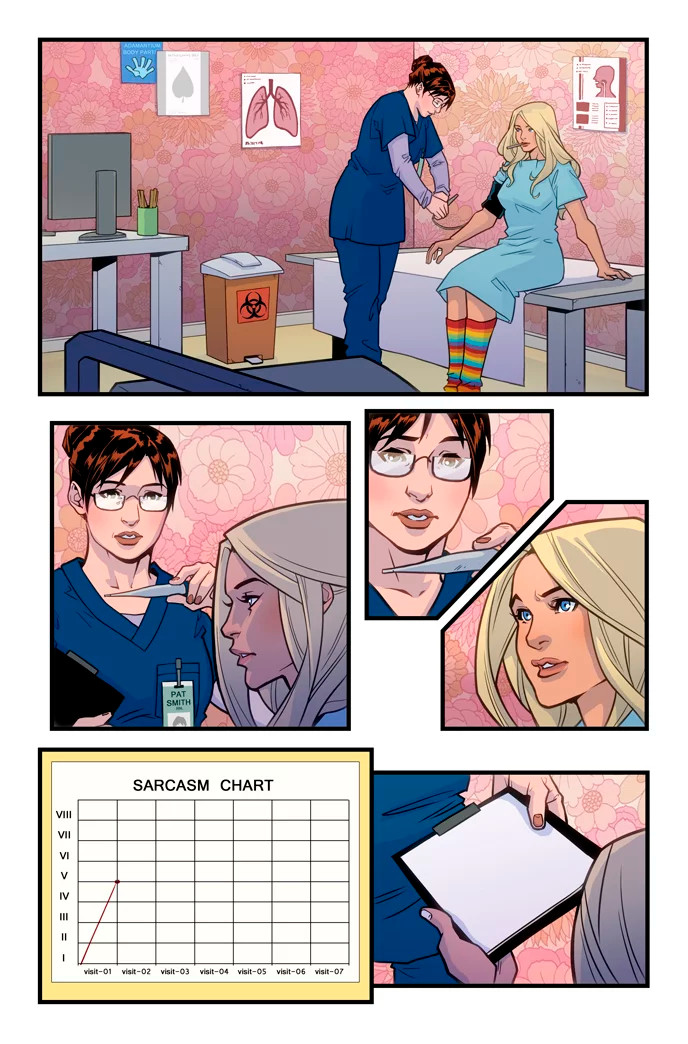
Superhero costumes often tell us something about the characters who wear them: from their personalities and references to their pasts to their breaks with tradition. In your case, how did you approach the costume designs for Mockingbird and Wasp? Both have a particularly realistic appearance and a fairly covered-up design.
Both designs had already been created by other artists, so my job was simply to draw them as well as I could. I really like both of these designs, I like how they weren’t bodypaints-like (a very common approach in the 90s) but something that wouldn’t be uncomfortable to cosplay. Both are still a pretty fit costumes but not in a fanservice way and I like it.
In your depiction of Wasp, I would say you also used some manga-inspired approaches, particularly in the facial expressions. This kind of approach seems to be associated much more with non-American artists than with US artists. Is that just a superficial impression, or is the contribution of non-American artists actually changing and enriching the expressive range of superhero comics?
I’ve been told many times that my style is manga-inspired, and the reason is actually very simple: since I read a lot of manga when I was young, I also drew in a manga-influenced style when I was a kid. That influence simply remained a part of me.
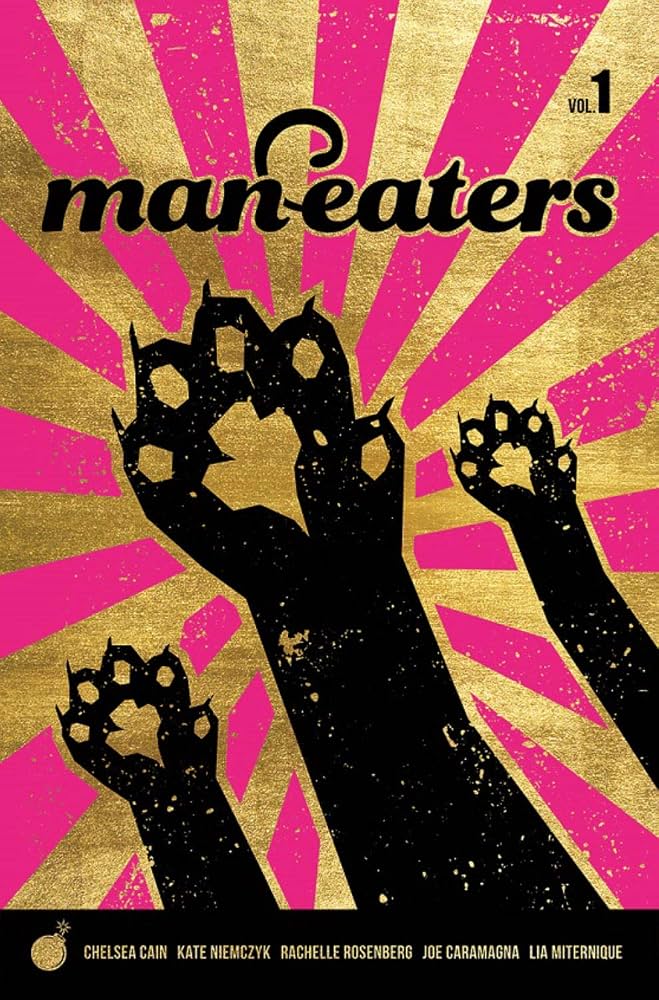
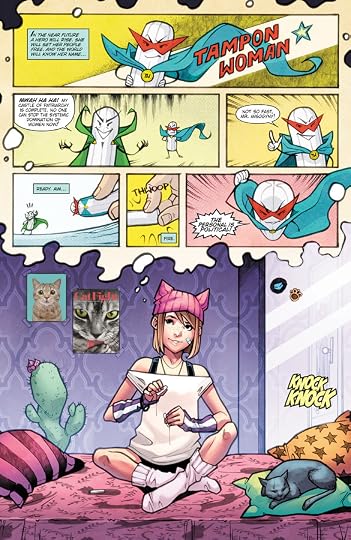
Once again with Chelsea Cain, you worked on Man-Eaters, a very unusual comic. The story is strongly political, but the visual solutions are also quite unconventional. What was it like working on a series that was also your first creator-owned project? I imagine your collaboration with Chelsea was quite different from Mockingbird.
It actually wasn’t that different, apart from the fact that I had to leave room for the parts that weren’t drawn by me. Man-Eaters is certainly a very unusual comic, but Chelsea made it as easy as possible for me to understand how it should look and what kind of atmosphere it should have.
You are among the artists selected by DC Comics to tell a story in Supergirl: Woman of Tomorrow – The World. How did you become involved in the project, and what was it like working on a female character with such a long and complex history?
This project was really exciting, and I was invited to take part by Egmont Poland. As always, I simply try to do my best, so it’s always difficult for me to answer questions about my personal feelings or creative approach. However, since I’m generally more interested in female protagonists, I’m happy that Supergirl is having her moment.
The political dimension of superheroes has always been debated, but it seems to me that we are currently experiencing an unprecedented level of polarisation, and the reactions to Mockingbird are a good example of this. What do you think the role of superheroes and superhero stories is in our world?
Personally, I’m exhausted by political polarisation. It bothers me that it has become an “us versus them” issue among working-class people, instead of being “us versus the rich and powerful” who are directly contributing to making this world worse for all of us. It is also becoming more difficult to discuss the political role of pop culture in general, because pop culture is essentially owned by big corporations, and they will always be guided by where the profits are at any given moment. How much freedom do creators have under these circumstances? I have no idea, because I’m not a writer. That said, I’m happy that we recently had a Superman movie that was very much centred on hope, and I hope this becomes a trend.
Following up on that question, throughout your career you have mainly worked on titles featuring female superheroes. In a superhero world that has long been — and perhaps still is — dominated by men, not only among creators but especially among readers, what strengths and perspectives do female superheroes bring?
Representation matters. That’s what having female superheroes means to me. When I was a child, I always admired female characters in movies and video games, and I’m happy that there are more of them today. And of course, this applies to any other group of people as well: we should embrace the variety of humanity and broaden our perspectives.
The representation of the female body has often emphasised sensuality and erotic appeal in order to satisfy a certain male taste, or what is known as the male gaze. Do you think this is still true today? Has the arrival of more female creators changed the way female characters are represented?
I think it’s still true, although perhaps I’m not the best person to ask because I find people of all genders attractive. I also grew up in a European country, and I think we have a different approach to sexuality than the United States. I don’t think sensuality in comics, video games, or films is something negative if that is the purpose of the image. Unfortunately, for some people there is no other way to represent women, and that is indeed problematic.
I think having more female creators has changed many things in general. I’ve also heard that, even when it comes to more sensual art, some people actually prefer the approach taken by female artists.
There are fan groups who criticise the work of many female creators, accusing them of undermining a supposed “purity” of the superhero genre by introducing social and political themes in an overly didactic way. In your experience, are these groups a loud but marginal minority, or are they a faction that publishers actually take into consideration?
I want to believe that, in any controversy of this kind, the loudest voices are generally people who simply need to be heard for personal reasons. Comics have been political for decades. But do the people who protest have an influence on publishers? I think the greatest influence comes from sales and from people who “vote” with their wallets. I have to say, you’re asking me some difficult questions (laughs), and I have opinions that are in line with the way I see things, but I’m not a specialist in politics or the comics industry, so I could also be completely wrong. I just hope people start respecting each other a little more. And that, in the end, we can collectively eat the rich.
I’d like to conclude with a very classic question: what are you working on at the moment?
I’m working on a new standalone story for The Phantom magazine and on a personal comic of my own.
Interview conducted online in July 2026
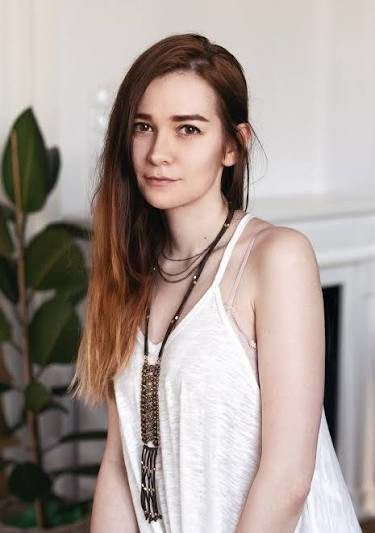
Kasia Nie
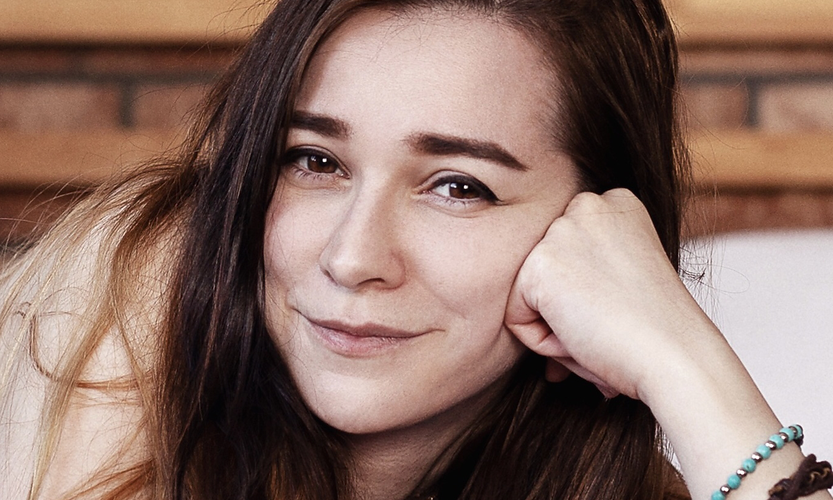
Katarzyna Niemczyk, artist and illustrator, made her comics debut in 2016 with the series Mockingbird, which was nominated for an Eisner Award. She has also worked for publishers including Image, Valiant Entertainment, Titan Comics, and Dark Horse Comics, as well as for Blizzard Entertainment, for which she illustrated a digital comic set in the universe of the video game Overwatch. She is a passionate video game enthusiast. At the Wrocław-based animation studio Division48, she worked on titles including The Witcher III: Wild Hunt and Might & Magic: Heroes VII.